Drop Shipping Sounds Easy. Here’s Why Most People Still Fail.
Most people who try drop shipping quit within the first few months. Not because the model doesn’t work, but because they follow advice that skips the hard parts.
They pick the wrong niche, trust a bad supplier, and spend money on ads before their store is ready. Then they say dropshipping doesn’t work.
If you want to know how to start dropshipping and actually get results, you need a clear process, not just motivation. This guide walks you through every step: picking a niche, finding suppliers, building a store, pricing products, and getting your first sale.
No fluff. No fake screenshots of big earnings. Just a real answer to how to dropship, from start to finish.
Quick Answer: Dropshipping works by selling products you don’t stock. A customer orders from your store, you forward the order to a supplier, and they ship it directly. To start: pick a niche, find a reliable supplier, build a simple store, set your prices, and drive traffic. Most people see results when they focus on one niche first.
What Is Dropshipping and Why Most Beginners Get It Wrong
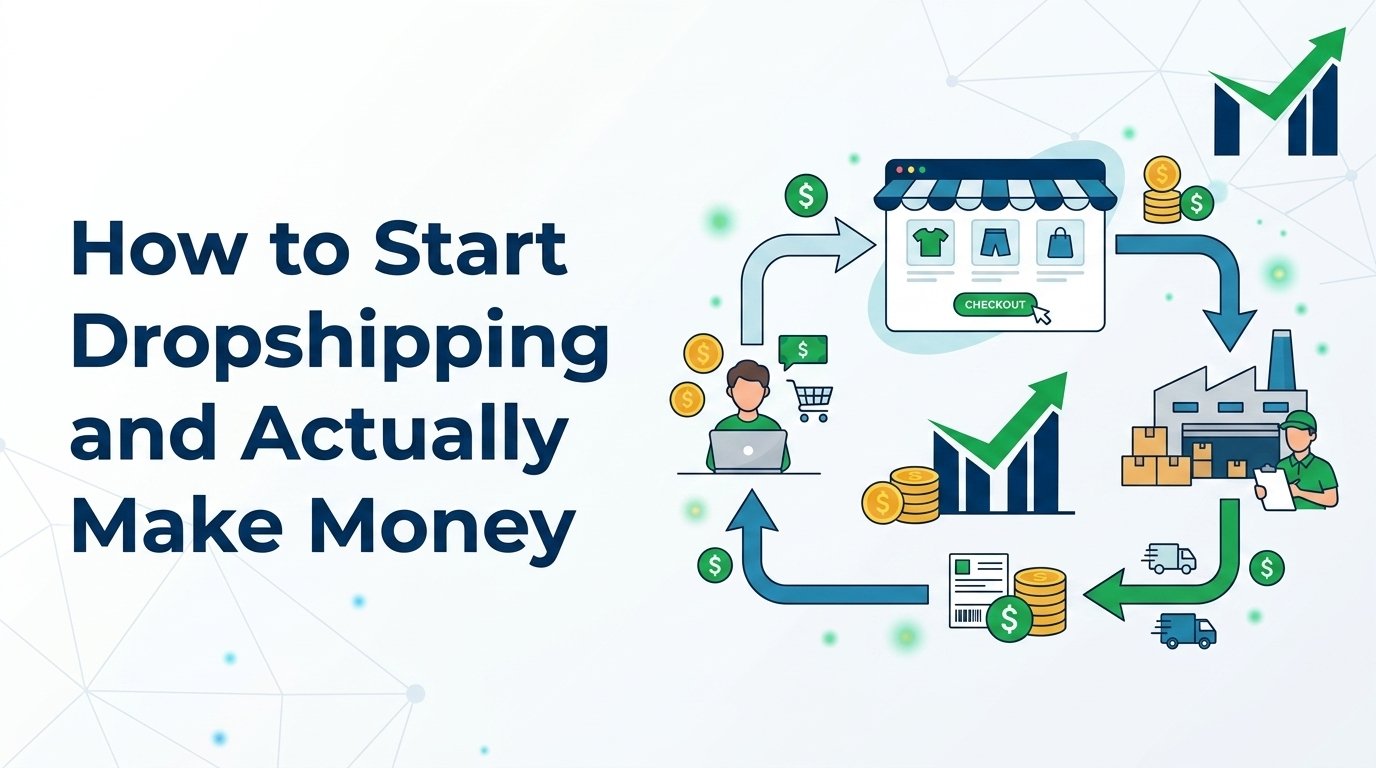
Dropshipping is a business model where you sell products online without keeping any inventory. When a customer buys from your store, you buy the item from a supplier. The supplier ships it directly to your customer. You keep the price difference.
That sounds simple. The problem is most beginners treat it like a passive income machine that runs itself. It doesn’t.
Why It Happens
People hear “no inventory, no warehouse” and assume that means no work. They skip product research, pick oversaturated markets, and open stores that look like every other generic shop. Then nothing sells.
The Fix
Understand what drop shipping actually is: a low-risk way to test products before investing in bulk stock. That’s it. Use it to:
- Test product demand without buying in advance
- Run a store with low startup costs
- Find winning products before committing to a larger business
Becoming a dropshipper means running a real business. You’re responsible for customer service, marketing, and store quality, even if you never touch the product.
Result
When you treat dropshipping as a real business instead of a shortcut, your decisions get better. You research more. You build smarter. That’s when results follow.
How to Pick a Niche That Actually Sells
This is where most beginners lose before they start. They either pick something too broad (“electronics”) or too trendy (a product that peaked six months ago). Both are traps.
Why It Happens
A broad niche means you’re competing with major retailers who have bigger budgets and faster shipping. A trend niche dies fast. Neither gives you a sustainable business.
The Fix
Pick a niche that meets three conditions:
- Real demand – People actively search for products in this niche. Use Google Trends or a keyword tool to confirm. Don’t guess.
- Moderate competition – If the first page of search results is all major retailers, look elsewhere. You want niches where smaller stores rank.
- Repeat buyers or high order value – Pet accessories, home fitness gear, and hobby supplies work well because people come back, or the margin per order is strong.
Look for problems people spend money to solve. That’s your niche.
Common mistake: Picking a niche you personally love without checking if anyone buys it online.
Result
A well-chosen niche means your ads work harder, your SEO is focused, and your store feels like it was built for someone specific, not everyone.
How to Find a Dropshipping Supplier You Can Actually Trust
Bad suppliers kill good stores. Slow shipping, wrong items, poor packaging – all of that lands on you, not the supplier. The customer blames your store.
Why It Happens
Most beginners search for the cheapest supplier, not the most reliable one. Low prices matter, but if the supplier ships in 30-plus days or sends damaged goods, your refund rate will destroy your margins.
The Fix
Here’s how to vet a supplier before you commit:
- Order a test product – Buy it yourself. Check the packaging, shipping time, and product quality with your own eyes.
- Check their response speed – Send a question before you sign up. If they take three days to reply, that’s your answer.
- Use supplier directories – Platforms like AliExpress (for budget testing), Spocket, or CJ Dropshipping connect you to vetted suppliers with faster shipping options.
- Ask about returns – Know their process before a customer asks you about it.
Zendrop vs AutoDS: Which One Actually Works?
Result
A reliable supplier means fewer refunds, better reviews, and a store that customers trust enough to buy from again.
How to Build and Price Your Dropshipping Store
You don’t need a perfect store to start. You need a clean, fast, trustworthy one. Most people spend weeks on design and not enough time on the basics that actually drive conversions.
Why It Happens
Beginners focus on aesthetics because it feels productive. But a beautiful store with slow load times, confusing navigation, and no trust signals won’t convert visitors into buyers.
The Fix
Build on a proven platform. Shopify is the most popular option for drop shipping stores because it connects directly to supplier apps and handles payments cleanly. WooCommerce is a solid alternative if you prefer more control over your setup.
For each product page:
- Write a clear, benefit-focused product title
- Use real photos – order the product and photograph it if you can
- Write an honest product description in plain language – don’t copy-paste from the supplier listing
- Show shipping times clearly so customers aren’t surprised at checkout
Price low-ticket products at two to three times your supplier cost. For higher-priced items, a 30 to 50 percent margin is more realistic.
Result
A clean, fast store with honest product pages converts better and gets fewer chargebacks and disputes.
Releated Post: How to Start Dropshipping and Make Your First Sale
How to Get Your First Sale Without Burning Your Budget on Ads
This is where most stores stall. The store is built. Products are live. Nothing happens.
Why It Happens
Traffic doesn’t come automatically. Most beginners jump straight to paid ads without testing their store or their offer first. They burn through their budget fast and blame the platform.
The Fix
Start with free traffic to validate your store before spending money:
- Short-form video – Post videos showing the product in use. Raw, honest content works better than polished production. You don’t need a large following to get views.
- Pinterest – Pin product images to relevant boards. Pinterest has strong buying intent and content stays visible for a long time.
- Niche communities – Join relevant online groups and offer real value before you promote anything.
Once you see organic interest and your first few sales, then test paid ads. Start small – one platform, one ad, one product. Learn from the data before you scale.
Pro Tip: If you can’t explain why someone should buy your product in one sentence, your ad copy won’t work either. Write that sentence first.
Result
Validating with free traffic before paid ads means you spend money on what already shows signs of working, not on guessing.
Frequently Asked Questions
What is dropshipping and how does it work?
Dropshipping is a retail model where you sell products without holding inventory. You list items on your store, a customer buys one, and you purchase it from a supplier who ships directly to the customer. You keep the profit margin. You handle the storefront and marketing. The supplier handles storage and fulfillment.
How much money do I need to start dropshipping?
You can start with a few hundred dollars. You’ll need a store platform subscription, a domain name, and a small budget for test orders. Paid advertising costs extra on top of that. Many beginners start lean, validate with free traffic first, and reinvest early profits before committing to ad spend.
How long does it take to make money dropshipping?
Most people see their first sale within two to eight weeks if they stay consistent. Building a store that generates steady income usually takes three to six months of real effort. The timeline depends on your niche, your traffic methods, and how quickly you learn from your data and adjust your approach.
Is dropshipping still profitable?
Yes. It’s more competitive than it was five years ago, but profitable niches still exist. The key is finding a product with real demand and low competition from big retailers. Drop shipping works best when you focus on a specific audience and build a brand around it, not just resell random products.
What are the biggest mistakes beginners make when they start dropshipping?
The most common mistakes are picking a niche without research, trusting a supplier without testing them first, and spending on ads before the store is proven. Many beginners also price products too low and wipe out their margins. Slow down on setup. Speed up on learning from your first real sales.
Do you need a business license to become a dropshipper?
Legal requirements differ depending on where you operate. Many people start informally and register once revenue comes in. At some point you’ll likely need a business entity and a plan for tax obligations. Check with a local accountant or business adviser before you start selling at scale to avoid payment processor issues later.
The Path to Your First Sale Is Shorter Than You Think
Dropshipping isn’t passive, but it’s also not complicated. The stores that fail usually make the same few avoidable mistakes: wrong niche, untested supplier, and ad spend before proof of concept.
Here’s what actually matters. Pick a focused niche with real demand. Test your supplier before your store goes live. Validate your store with organic traffic before you spend a dollar on ads.
If you’re ready to figure out how to start dropshipping, begin with one decision today. Just pick your niche. Don’t open five browser tabs and try to plan everything at once. One good decision, made now, is worth more than a perfect plan that never starts.
The model works. The stores that stick to the basics and stay consistent are the ones that build into something real. Start simple, learn fast, and adjust based on what your data actually tells you.